

Tandem + DexcomTrusted Partners in Diabetes Management


More than a Decade of Collaboration
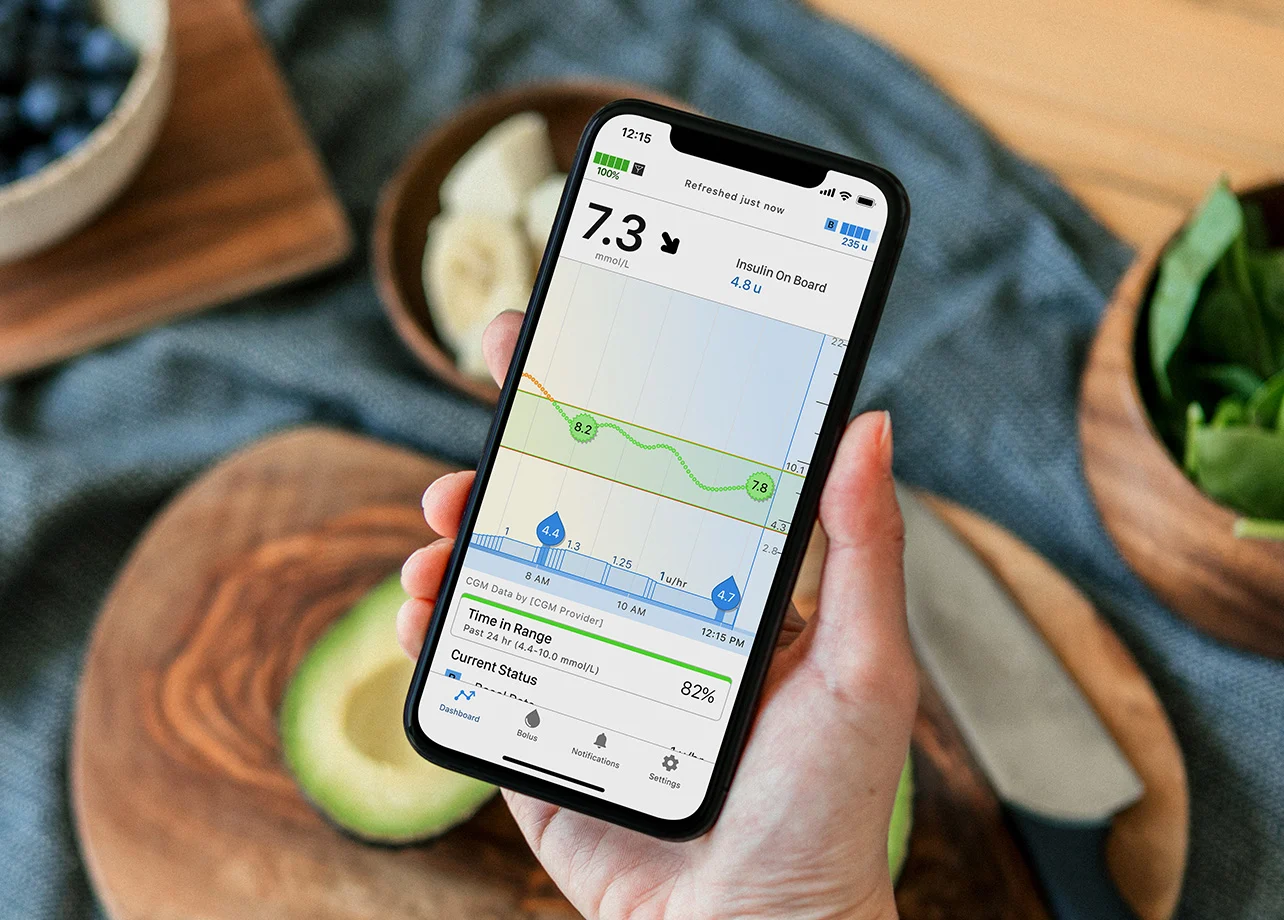
Designed to work seamlessly together, Dexcom G7 continuous glucose monitoring (CGM)* provides exceptional accuracy¹ to support optimized insulin delivery from the t:slim X2 insulin pump.
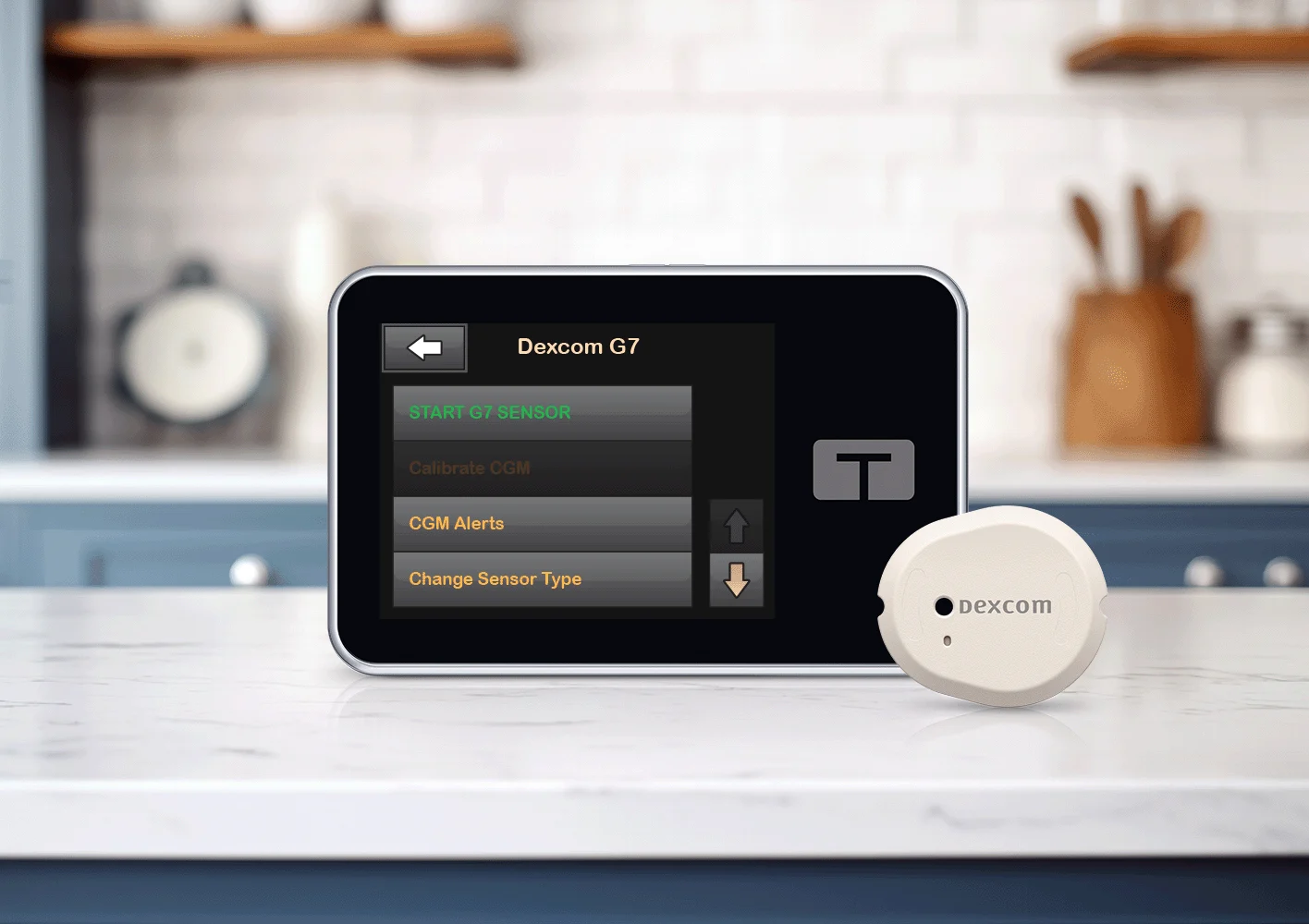

Helping to take the hassle out of sensor wear.

Simple Auto-Applicator
A one-touch applicator provides easy insertion. The absence of a visible needle can help increase comfort.

Faster Sensor Startup
Minimize downtime between sensor sessions for more consistent day-to-day glucose management.†

Goodbye Fingersticks
For calibration or mealtime dosing, when our insulin pumps are paired with Dexcom G7 CGM Systems.‡
More Days. Fewer Swaps.
Available in 10-day option Dexcom G7 CGM are designed to last longer and help reduce how often replacements are needed.

Best Glucose Control
People who combine CGM with automated insulin delivery, such as Control-IQ+ technology, have the best overall glucose control versus multiple daily injections or standard insulin pump therapy.2
* CGM sold separately.
† Faster claim based on two-hour warmup time with the Dexcom G6 sensor vs. 30-minute warmup time with Dexcom G7 CGM Systems.
‡ If glucose alerts and CGM readings do not match symptoms or expectations, use a blood glucose meter to make diabetes treatment decisions.
References
1. Dexcom, Data on File, 2025.
2. Nørgaard K, Ranjan AG, Laugesen C, et al. Glucose Monitoring Metrics in Individuals with Type 1 Diabetes Using Different Treatment Modalities: A Real-World Observational Study. Diabetes Care. 2023;dc231137. doi: 10.2337/dc23-1137.
Important Safety Information
Always read the label and follow the instructions: tandemdiabetes.com/safetyinfo